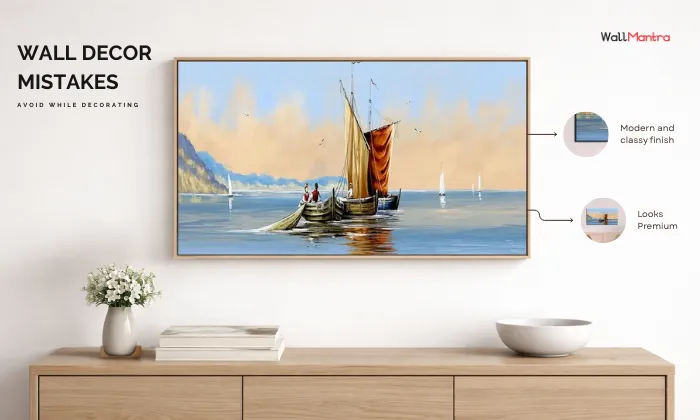
Wall Décor Mistakes to Avoid While Decorating Your Home
Wall décor plays a powerful role in shaping how your home looks and feels. The right wall décor can make a space look elegant, welcoming, and thoughtfully designed—while the wrong choices can make even a well-furnished home feel cluttered or incomplete. At WallMantra, we’ve worked closely with thousands of homeowners and interior styling trends, and […]
Wall décor plays a powerful role in shaping how your home looks and feels. The right wall décor can make a space look elegant, welcoming, and thoughtfully designed—while the wrong choices can make even a well-furnished home feel cluttered or incomplete. At WallMantra, we’ve worked closely with thousands of homeowners and interior styling trends, and one thing is clear: most décor mistakes are easy to avoid once you know what to look out for.
This guide highlights the most common wall décor mistakes homeowners make and explains how to fix them using practical, real-world solutions—especially curated wall décor and paintings from WallMantra.
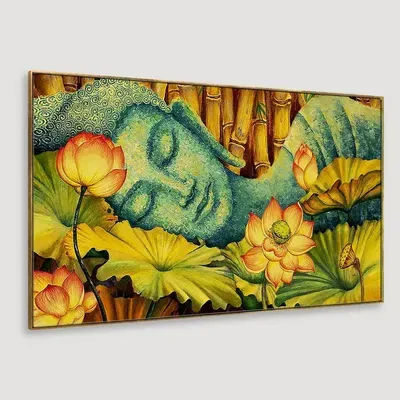
1. Choosing Wall Art Without Considering the Room’s Purpose
One of the biggest wall décor mistakes is buying artwork purely because it looks good—without thinking about where it will be placed.
- A bold abstract painting might look stunning, but it may feel overwhelming in a bedroom.
- A calming Buddha painting works beautifully in bedrooms or meditation corners but may feel out of place in a high-energy workspace.
What to do instead:
Always match wall décor with the function of the room.
- Living rooms → Statement canvas paintings, abstract art, gallery walls
- Bedrooms → Soft-toned aesthetic paintings, nature art, romantic themes
- Offices → Minimal modern art, motivational wall décor
WallMantra offers room-wise curated wall décor to help homeowners make confident choices without second-guessing.
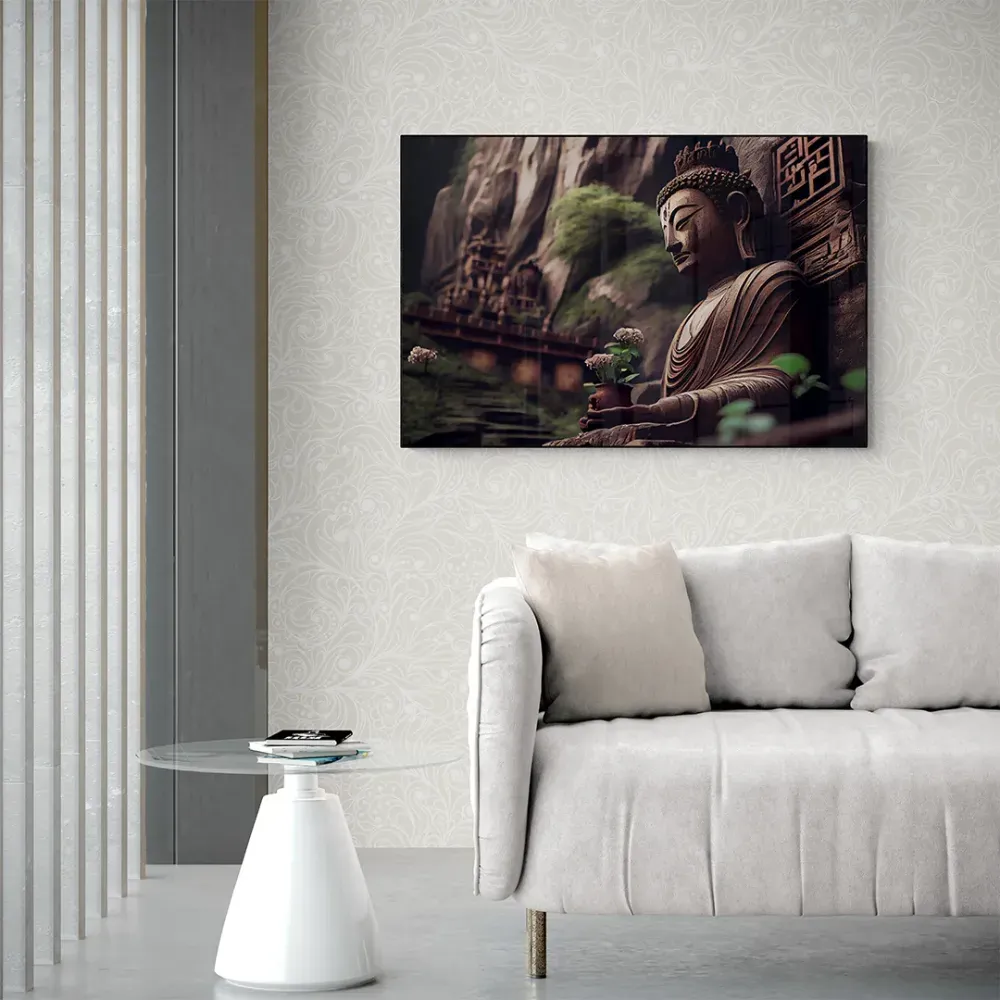
2. Ignoring Wall Size and Proportion
Hanging a small painting on a large empty wall is one of the most common décor errors. It makes the wall look unfinished and visually unbalanced.
Real-world example:
Many apartment owners choose a single small frame for their living room wall, only to realise later that it looks lost against a sofa or TV unit.
Better approach:
- Use large canvas wall paintings for spacious walls
- Create a gallery wall using multiple coordinated artworks
- Choose vertical or panoramic paintings depending on wall orientation
WallMantra’s big-size canvas paintings and multi-panel wall art collections are designed specifically to solve proportion-related décor problems.
3. Overcrowding Walls With Too Many Items
While empty walls feel dull, overcrowded walls feel chaotic. Mixing too many frames, mirrors, clocks, and shelves on the same wall reduces visual clarity.
Pros & Cons:
- ✔ Layered décor can look creative when done right
- ✖ Overuse creates clutter and distracts from key design elements
Solution:
Follow the “one focal point per wall” rule. Let one hero wall décor piece stand out while keeping surrounding walls minimal.
Minimalist wall décor and single-statement canvas art from WallMantra work especially well for modern Indian homes and apartments.
4. Poor Placement and Incorrect Height
Another overlooked mistake is hanging wall art too high or too low.
Best practice:
- Artwork should be placed at eye level (roughly 57–60 inches from the floor to the centre of the artwork)
- Above furniture like sofas or beds, the artwork should sit 6–8 inches above
Incorrect placement disrupts the natural flow of the room—even if the artwork itself is beautiful.
WallMantra’s styling guides and size suggestions help customers avoid these placement issues, especially when shopping online.
5. Ignoring Colour Harmony
Choosing wall décor that clashes with wall colour, furniture, or lighting is a silent décor killer.
Common mistake:
Buying colourful art without checking how it looks against neutral or dark walls.
Smart décor tip:
- Neutral walls → Bold or textured artwork
- Dark walls → Light-toned or metallic accents
- Colourful rooms → Balanced, minimal art
WallMantra artworks are curated in versatile colour palettes to suit both modern and traditional interiors.
6. Treating Wall Décor as an Afterthought
Many homeowners invest heavily in furniture, lighting, and flooring—but leave walls undecorated for months.
This results in homes that feel incomplete, even after full furnishing.
Why wall décor matters:
Walls contribute significantly to first impressions, emotional comfort, and perceived home value. Wall décor is not an add-on—it’s a finishing layer that brings the entire interior together.
7. Choosing Low-Quality Prints That Fade Quickly
Low-cost posters and paper prints may look appealing initially, but they fade, warp, and lose charm over time—especially in Indian weather conditions.
Balanced view:
✔ Low-cost décor works for short-term use
✖ Poor durability reduces long-term value
Premium canvas paintings from WallMantra use fade-resistant printing and durable materials, making them a smarter long-term investment.
8. Forgetting Personal & Cultural Connection
Homes should reflect personality, beliefs, and lifestyle. Generic décor often feels impersonal.
Indian homeowners increasingly prefer:
- Radha Krishna paintings for spiritual warmth
- Buddha paintings for peace and mindfulness
- Indian folk art like Madhubani and Warli
WallMantra blends cultural depth with modern aesthetics—something most mass décor brands overlook.
Not sure which wall décor suits your home?
Explore WallMantra’s curated home décor collections designed for Indian homes, apartments, and modern lifestyles. Choose art that fits your space, mood, and purpose—without making costly décor mistakes.
Frequently Asked Questions
1. What are the most common wall décor mistakes homeowners make?
The most common wall décor mistakes include choosing artwork without considering room purpose, using incorrect wall art sizes, overcrowding walls, poor placement height, ignoring colour harmony, and treating wall décor as an afterthought.
2. How do I choose the right wall décor for each room?
Choose wall décor based on how the room is used. Living rooms work best with statement canvas paintings or gallery walls, bedrooms need calming and soft artwork, while offices benefit from minimal or motivational wall art.
3. What size wall art should I choose for large walls?
For large walls, oversized canvas paintings, triptych art, or gallery wall sets work best. Small frames on large walls often look unbalanced and incomplete.
4. At what height should wall art be placed?
Wall art should generally be placed at eye level, around 57–60 inches from the floor to the centre of the artwork. When placed above furniture, it should be 6–8 inches above the surface.
5. Is it better to use one large painting or multiple small frames?
Both work well if done correctly. One large statement painting creates a clean, modern look, while multiple frames arranged as a gallery wall work well for creative or eclectic interiors.
6. How important is colour coordination in wall décor?
Colour coordination is crucial. Wall art should complement wall colours, furniture, and lighting. Neutral walls allow bold art, while colourful rooms need balanced or subtle artwork.
7. Are canvas paintings better than posters for home décor?
Yes. Canvas paintings are more durable, fade-resistant, and visually premium compared to posters. Posters may be cost-effective short-term, but canvas art offers better long-term value.
8. What wall décor works best for small apartments?
Minimalist wall décor, vertical canvas art, mirrors, and single statement paintings work best for small apartments as they enhance space without creating clutter.
9. How can wall décor reflect personal style and culture?
Wall décor can reflect personality through themes like abstract art, spiritual paintings, Indian folk art, or nature-inspired designs. Choosing art with emotional or cultural relevance makes a home feel more personal.
10. Why is wall décor important for home interiors?
Wall décor completes the look of a home. It adds character, improves visual balance, enhances mood, and makes interiors feel thoughtfully designed rather than unfinished.