How Wall Art Will Redefine Home Interiors in 2026
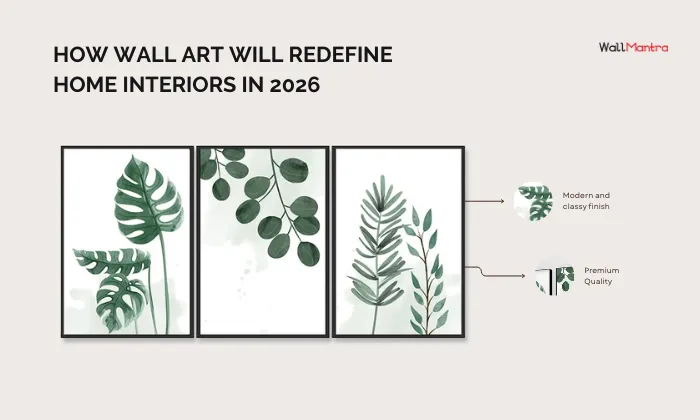
Home interiors are evolving faster than ever, and 2026 is set to be a defining year for wall art. No longer treated as an afterthought, wall art has become a central design element that shapes mood, personality, and even functionality within a home. At WallMantra, we closely track how Indian homeowners choose, experience, and live […]
Home interiors are evolving faster than ever, and 2026 is set to be a defining year for wall art. No longer treated as an afterthought, wall art has become a central design element that shapes mood, personality, and even functionality within a home. At WallMantra, we closely track how Indian homeowners choose, experience, and live with art—and the shift is clear: walls are no longer just backgrounds; they are statements.
This blog explores how wall art will redefine home interiors in 2026, backed by expert insights, real-world observations, balanced perspectives, and content gaps we see in competing décor blogs.
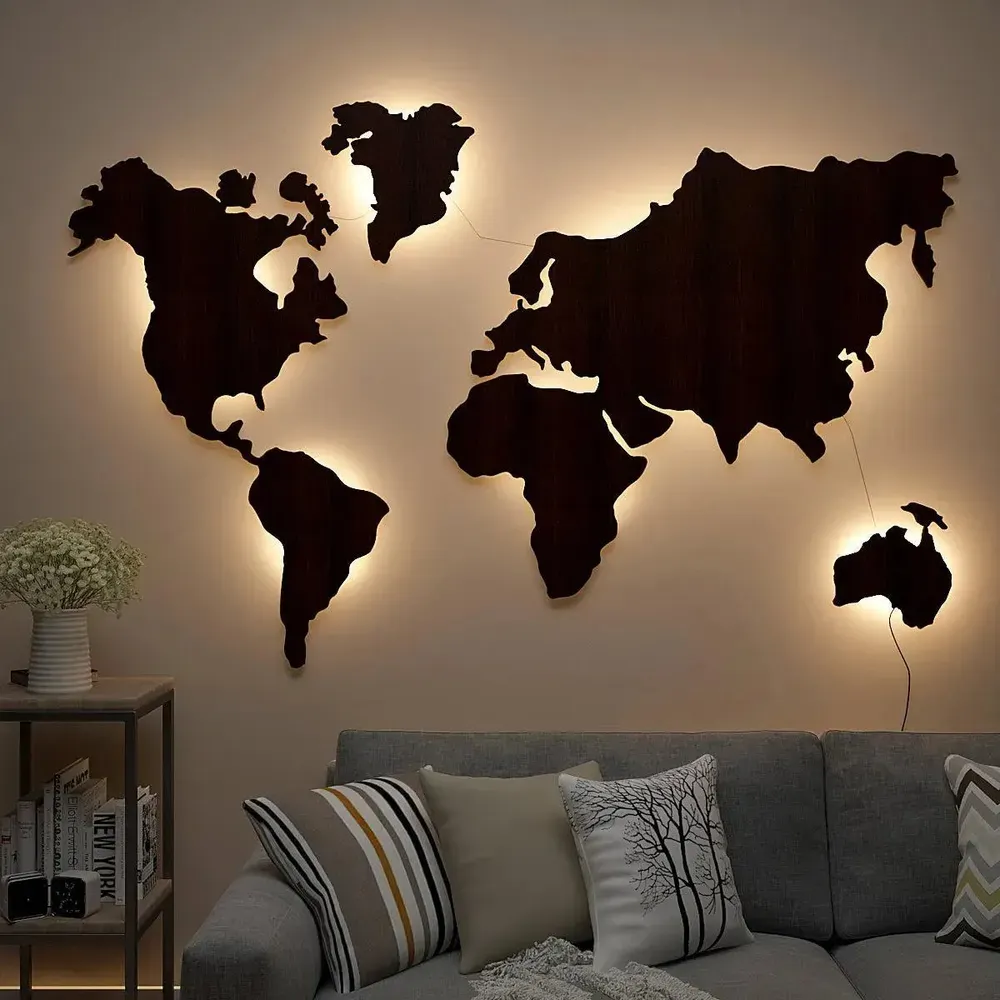
Wall Art as the New Focal Point of Interior Design
Interior designers increasingly agree that walls now anchor the entire décor story. Instead of matching paintings to furniture, homeowners are selecting statement wall art first and designing the room around it.
Expert insight:
Interior designers featured in leading Indian décor forums consistently highlight that large-format canvas art and curated gallery walls are replacing heavy furniture as focal points. This aligns with urban living trends where space is limited but visual impact is essential.
Real-world example:
WallMantra customers decorating 2BHK apartments in metro cities often choose one oversized canvas painting for the living room instead of multiple décor items—creating a clean, premium look without clutter.
Personalisation Will Drive Wall Art Choices in 2026
Mass-produced décor is losing appeal. In 2026, homeowners want wall art that reflects beliefs, emotions, and identity.
Popular personalisation trends include:
- Spiritual art like Radha Krishna paintings, Buddha paintings, and Vastu-aligned themes
- Region-inspired Indian art such as Madhubani and Warli
- Emotion-led themes—romantic, nature-inspired, or abstract calm tones
Why this matters:
Government-backed housing data over recent years shows a steady rise in first-time urban homeowners. These buyers invest emotionally in décor, making wall art a meaningful, long-term choice rather than a quick purchase.
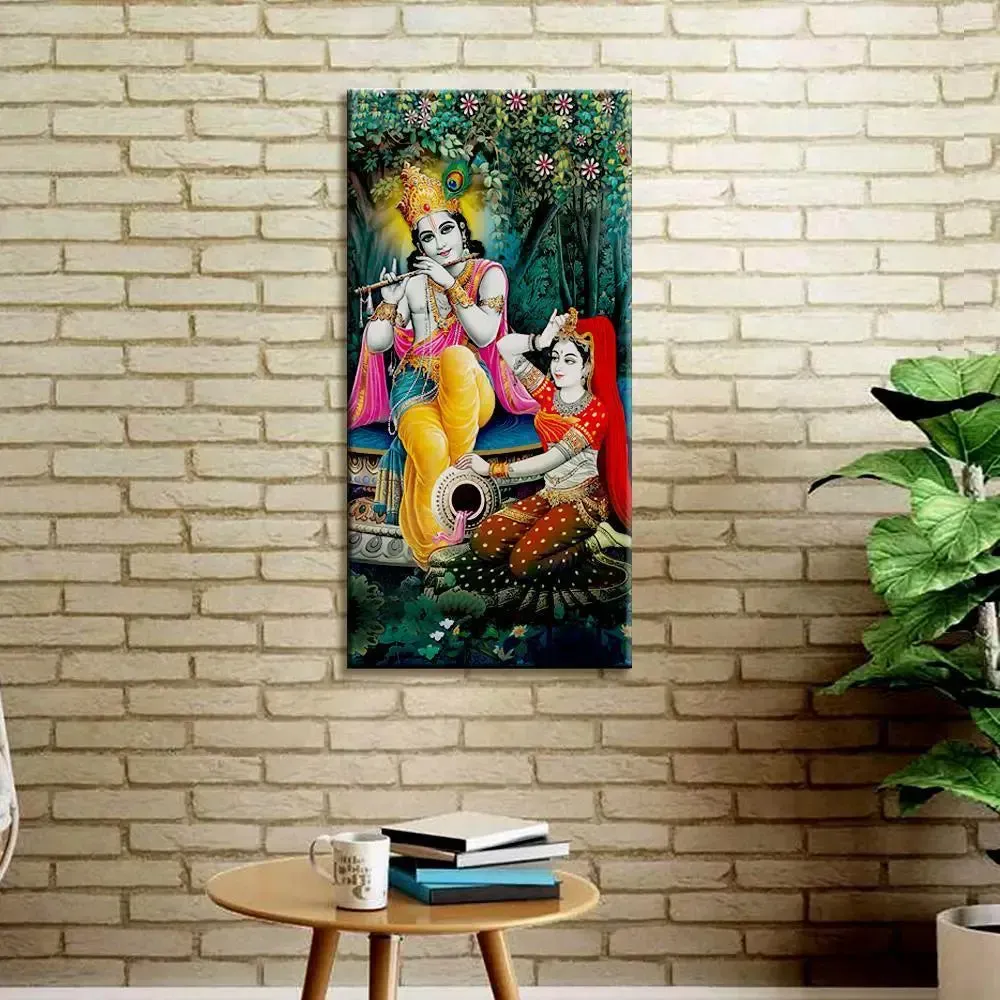
Technology & Materials Will Transform Wall Art Experiences
By 2026, wall art will not just be visual—it will be tactile and durable.
What’s changing:
- High-definition canvas printing with fade-resistant inks
- Textured finishes that add depth without overwhelming minimal interiors
- Lightweight frames suitable for rented homes
Balanced view (pros & cons):
✔ Pros: Longer lifespan, better colour retention, premium finish
✖ Cons: Slightly higher upfront cost compared to posters or paper prints
From our experience at WallMantra, customers increasingly prefer investing once in quality wall art rather than replacing low-cost décor every year.
Wall Art Will Play a Bigger Role in Mental Wellness
A growing body of lifestyle and wellness research links visual surroundings with emotional well-being. In 2026, wall art will be chosen not just for style, but for how it makes people feel.
Examples from buyer behaviour:
- Soft abstract paintings for bedrooms to reduce visual noise
- Nature and landscape art for work-from-home spaces
- Spiritual wall art for meditation corners
Customers often share post-purchase feedback, noting improved calmness and positivity after updating their walls—real-life results that décor blogs rarely highlight.
Final Thoughts: Walls Will Define Homes in 2026
In 2026, wall art will no longer be optional décor—it will define:
- The personality of a home
- The emotional tone of each room
- The balance between modern design and personal values
Whether it’s a bold abstract canvas, a calming Buddha painting, or a culturally rich Indian artwork, wall art will be the most powerful interior upgrade homeowners make.
At WallMantra, we believe your walls should speak—beautifully, meaningfully, and authentically.
Author’s Note: Why You Can Trust This Perspective
About the author:
This article is written by a home décor content specialist at WallMantra with 10+ years of experience in digital marketing and interior décor content, having worked closely with designers, artists, and real Indian homeowners. Insights are drawn from customer data, industry discussions, and hands-on experience with wall décor trends—not assumptions.
✅ FAQs
1. How will wall art redefine home interiors in 2026?
In 2026, wall art will become a core interior design element rather than a finishing touch. Homeowners will design rooms around statement wall paintings, large canvas art, and personalised themes that reflect emotions, beliefs, and lifestyle.
2. What types of wall art will be trending in 2026?
Trending wall art styles in 2026 include large canvas paintings, abstract wall art, spiritual paintings like Radha Krishna and Buddha art, textured wall décor, and modern Indian art such as Madhubani and Warli.
3. Is investing in premium wall art worth it compared to posters?
Yes. Premium canvas wall art offers better durability, richer colours, fade resistance, and a more refined finish. While the initial cost may be higher than posters, high-quality wall art lasts longer and enhances the overall value of home interiors.
4. How does wall art impact mood and mental well-being?
Studies and real-world home décor experiences show that calming wall art—such as nature paintings, soft abstracts, and spiritual themes—can reduce stress, improve focus, and create a positive living environment.
5. What wall art works best for modern Indian homes?
For modern Indian homes, abstract paintings, minimalist canvas art, Vastu-aligned religious paintings, and large statement wall art work best—especially in compact apartments where visual impact matters more than bulky décor.
6. Can wall art be changed easily in rented homes?
Yes. Lightweight canvas paintings and framed wall art are ideal for rented homes. They are easy to install, remove, and relocate without damaging walls, making them a practical décor solution for tenants.
7. How is WallMantra different from other wall décor brands?
WallMantra focuses on curated designs, premium materials, Indian home aesthetics, and real customer insights. Unlike generic décor brands, WallMantra designs wall art specifically for Indian living spaces, cultural preferences, and modern lifestyles.